News
9/24/2026
Find reseller
|
October 15, 2026
Turning on the lights in a room, controlling the same light from different locations or operating several circuits are tasks that require electrical devices with different functions.
Switches and changeover switches do not perform exactly the same function. It is therefore important to understand their main differences, the types of devices available and ASLO's solutions for each application.
What Is the Difference Between a Switch and a Changeover Switch?
The main difference lies in how they control electrical circuits.
A switch makes or breaks the flow of current in a circuit and is commonly used to turn lighting on and off from a single location.
A changeover switch, on the other hand, changes the connection between contacts, allowing different control arrangements, such as operating the same light from two locations.
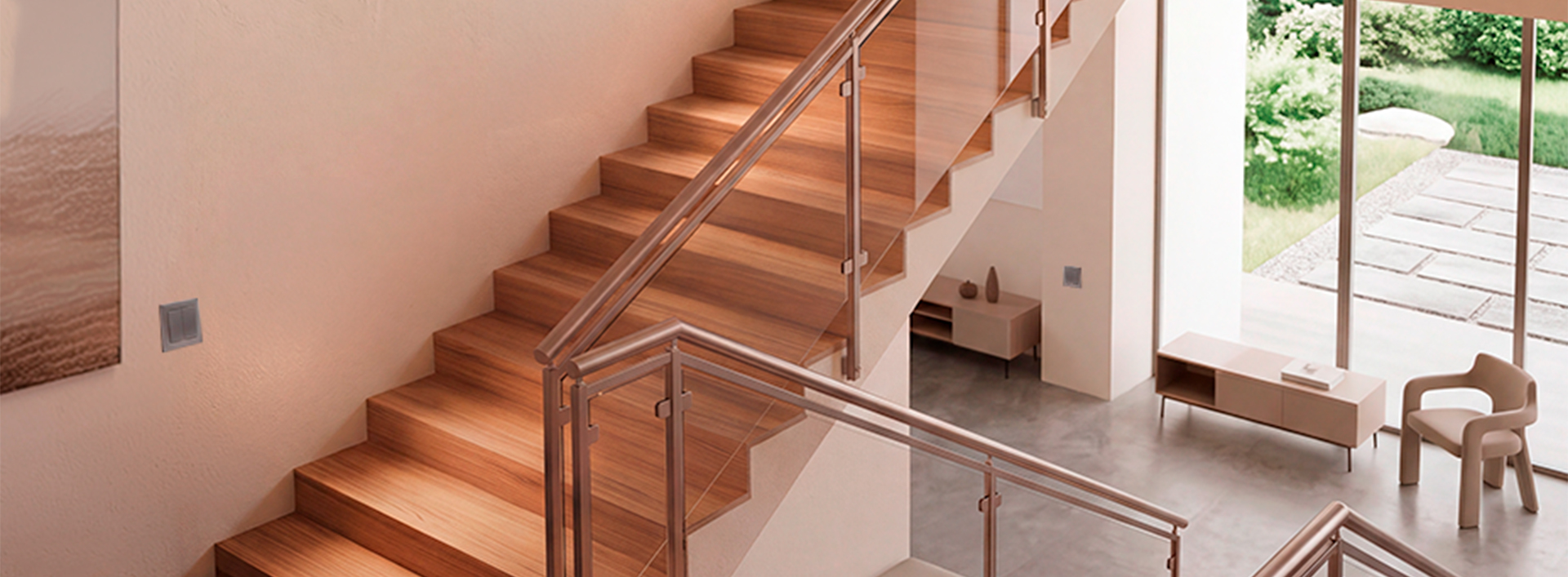
This distinction is particularly important when choosing devices for corridors, staircases and rooms with several entrances.
Main Types of Switches and Changeover Switches
1. One-Way Switch
This is one of the most commonly used devices in residential electrical installations.
It is designed to control a lighting circuit from a single point, making it suitable for rooms with only one control location, such as bedrooms, bathrooms or small storage areas.
2. Two-Way Switch
Unlike a one-way switch, a two-way switch allows the same lighting circuit to be controlled from two locations using an installation with two switches.
This solution is particularly useful in:
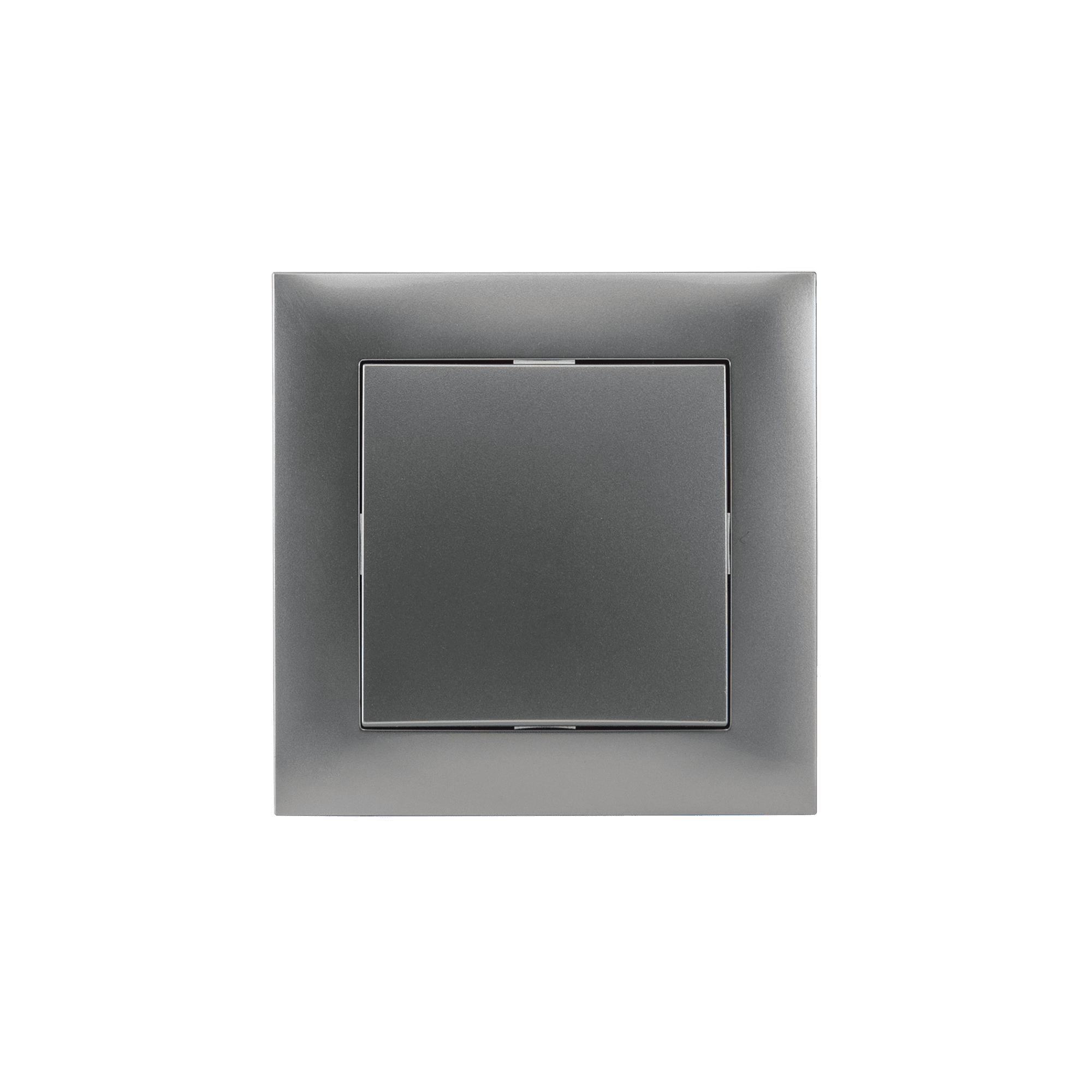
ASLO Solution: Europa Two-Way Switch, which meets different lighting control needs in surface-mounted installations.
3. Double Two-Way Switch
A double two-way switch combines two independent changeover mechanisms in a single device.
It can therefore accommodate two separate circuits that need to be controlled from different points, reducing the number of wall-mounted devices required.
ASLO Solution: Europa Double Two-Way Switch, suitable for installations requiring independent two-way control of two lighting circuits.

4. Double Shutter Switch
The double shutter control switch is designed to operate electric roller shutters, allowing their upward and downward movement to be controlled from a single location.
This device makes everyday shutter operation easier, providing practical, accessible control in residential or commercial spaces.
ASLO Solution: Europa Double Roller Shutter Control Switch, suitable for operating electric shutters in indoor installations.

5. Double Lighting Switch
A double lighting switch is designed to control two lighting circuits independently from the same location.
For example, in a living room with a light fitting containing two groups of bulbs, this device makes it possible to turn on just one group or both, depending on the lighting required.
ASLO Solution: Europa Double Lighting Switch, allowing different lighting combinations.

Which Device Is Most Suitable?
The choice depends mainly on the number of circuits to be controlled and the locations from which they need to be operated.
For a room with just one control point, a one-way switch may be sufficient. In spaces with several entrances, two-way switches offer greater flexibility in lighting control.
Choosing the right control devices helps create an electrical installation that is more practical, functional and suited to the way each space is used.
With a range of solutions, ASLO helps meet the needs of your spaces, whether in residential or commercial installations.