Aslo explains
8/24/2026
Find reseller
|
May 25, 2026
In lighting, the way the light is distributed is as important as its intensity. The opening angle of the light beam is the parameter that defines this behaviour and directly influences the final result in each space.
In this article, ASLO clearly explains what the beam angle is, why it is so important and how to correctly interpret the available solutions to choose the most suitable lighting.
What is the Opening Angle of a Light Beam?
The beam angle (or opening angle) indicates the width of the light cone emitted by a luminaire and is measured in degrees (°).
What is the Importance of the Beam Angle?
The beam angle directly influences:
Choosing an inappropriate angle can result in poorly lit or overly bright spaces, even when the wattage is correct.
Types of Beam Angle
1. Narrow Angle (from 25° to 40°)
This type of beam focuses light on a specific area, creating a highlighting effect.
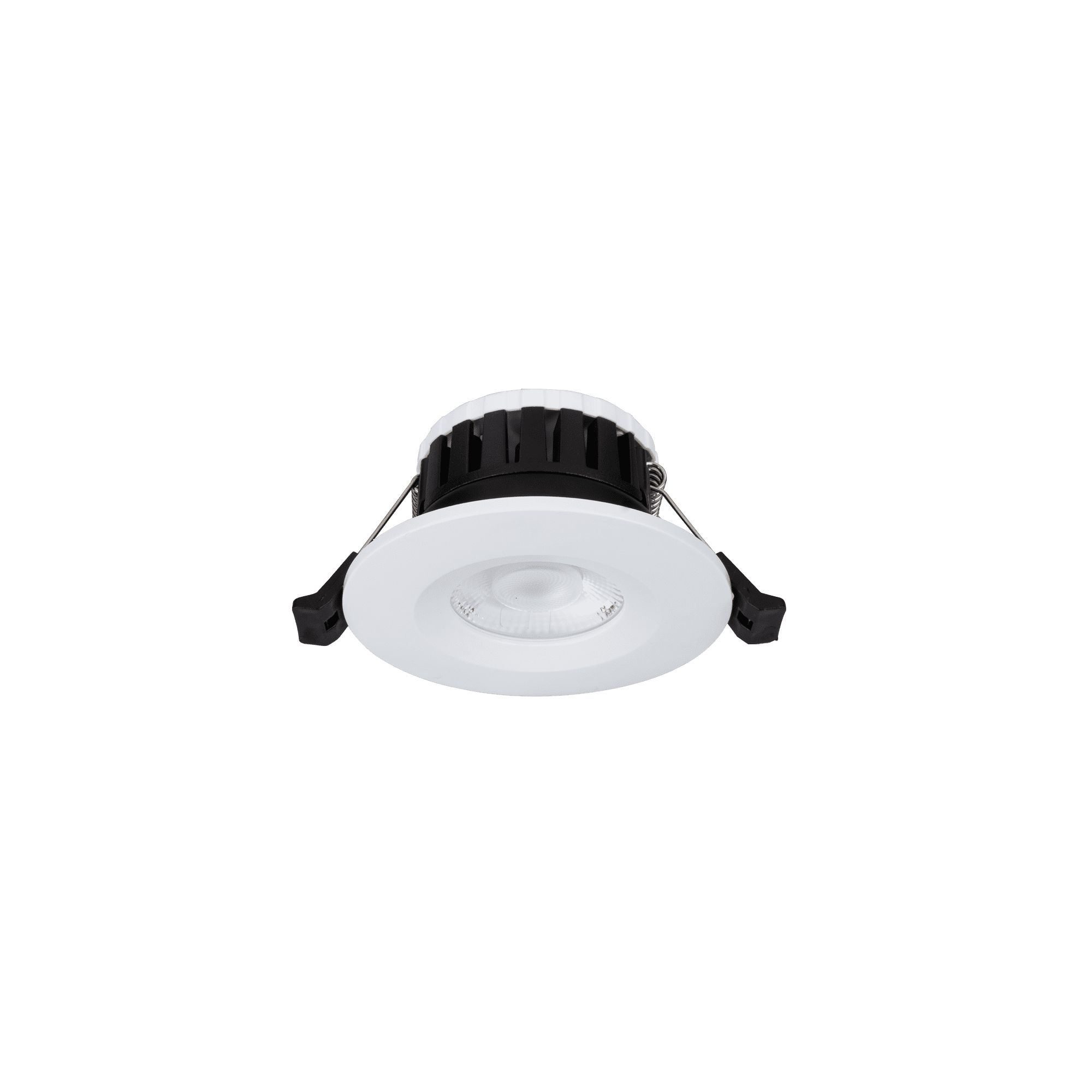
With a 38° angle, ASLO's Dimmable LED Downlight is the ideal solution for highlighting products or decorative elements with precision.
Applications for narrow angles:
2. Medium Angle (between 40° and 60°)
This range covers the most versatile angles, balancing light intensity with good space coverage.
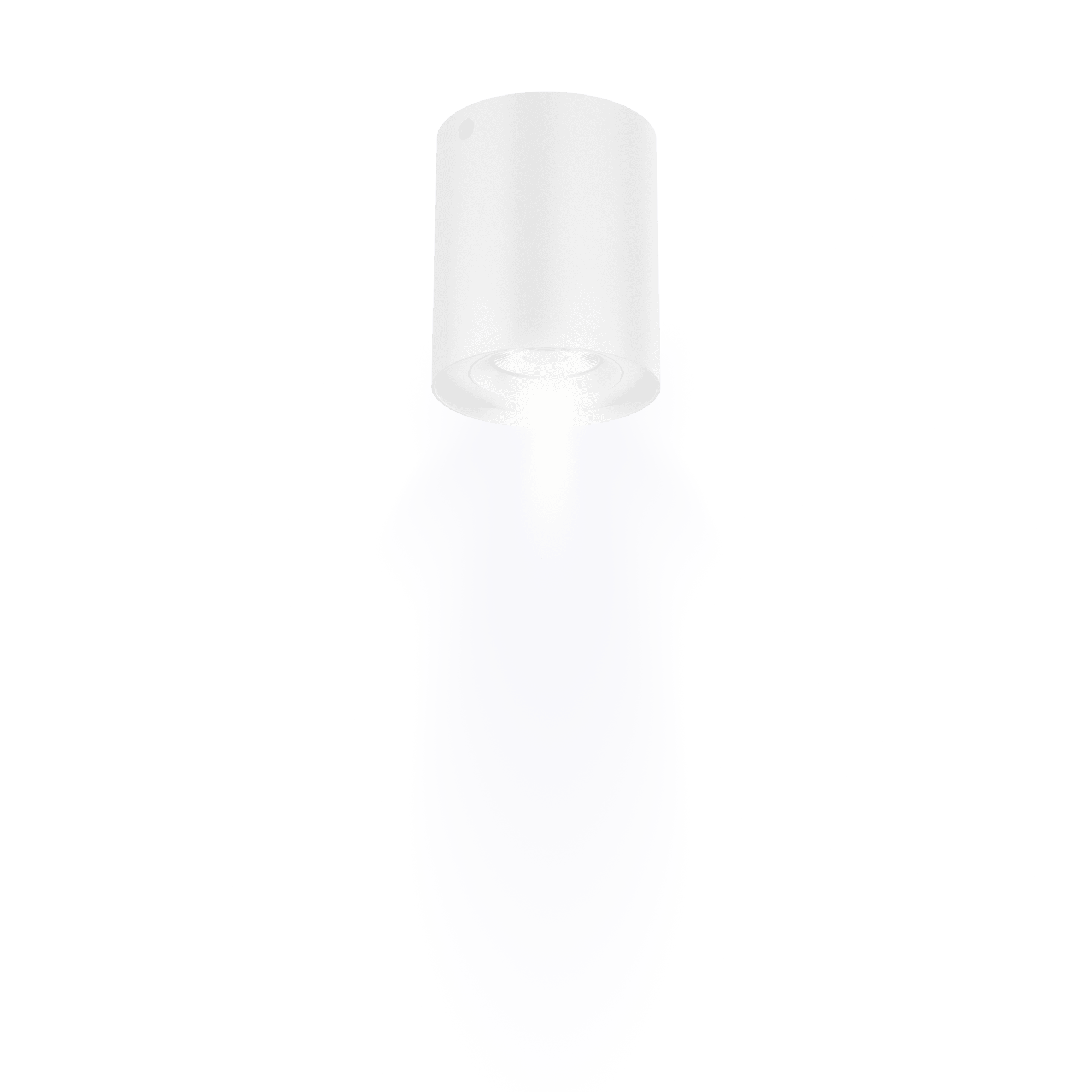
ASLO's Surface-Mounted Downlight provides balanced lighting with a 60° angle, making it suitable for both general and functional environments.
Applications for medium angles:
3. Wide Angle (between 60º and 90º)
The wide beams spread the light evenly, reducing excessive shadows and contrasts.
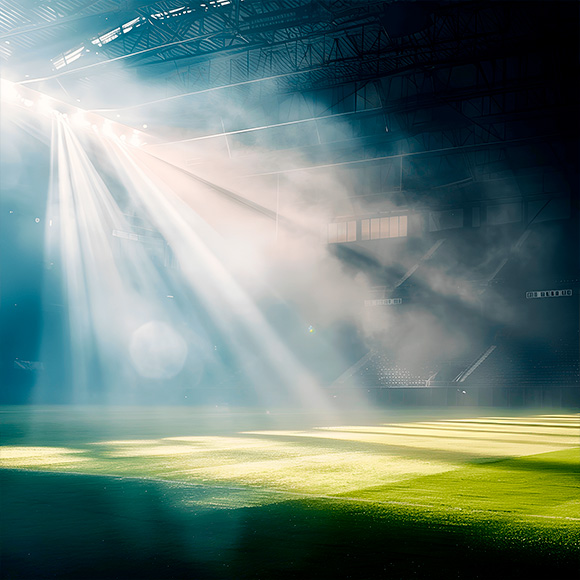
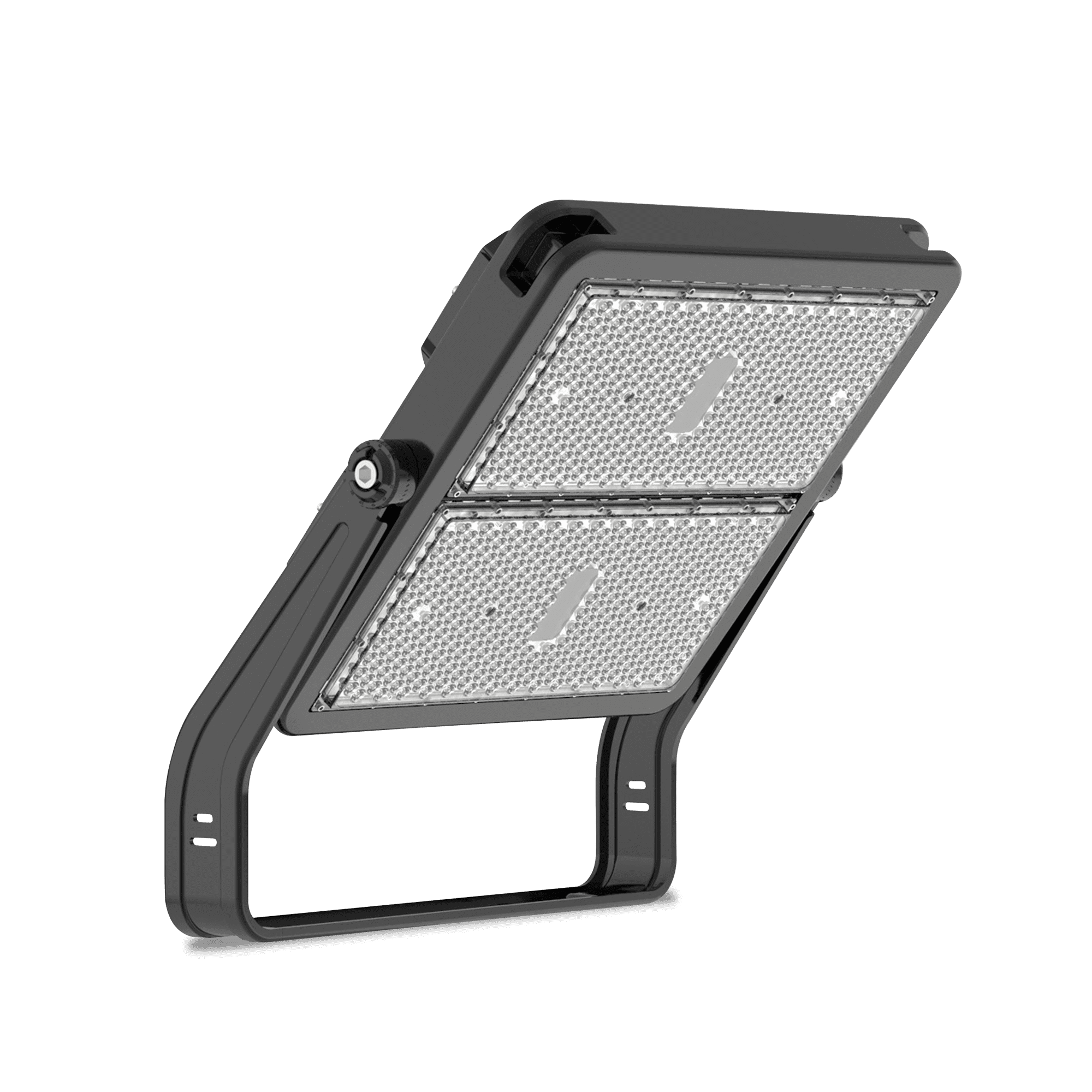
ASLO's Arena LED Floodlight features a beam angle of 90°. In this way, it has been designed to illuminate large areas, ensuring a homogeneous distribution of luminosity.
Applications for wide angles:
4. Very Wide Angle (above 90º)
This beam stands out for distributing the light in a diffuse way, providing soft and uniform lighting throughout the surroundings.
With a beam angle of 120°, ASLO's Recessed LED Downlight promotes homogeneous lighting in larger spaces.

Applications for very wide angles:
The beam angle is an essential factor in ensuring effective, comfortable, and well-planned lighting.
With ASLO, you can get the most out of your luminaires and avoid mistakes in lighting projects.